

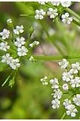
Ajowan(India); $8.45/5 mil
is much valued for its anti-spasmodic, stimulant, tonic and carminative properties. It is also a potent anti-microbial agent.
Cautions: Use well diluted as it can cause skin irritation and avoid it during pregnancy.
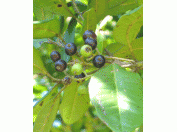
Allspice; $12.80 /5 mil
is credited with the following properties: as an anesthetic, analgesic, antioxidant, antiseptic, carminative, muscle relaxant, rubefacient, stimulant and tonic. It can be used to ease muscle aches and for its deodorizing properties.
Cautions: can irritate mucous membranes, and should be used only in dilution as it can be a dermal irritant. Avoid use during pregnancy.

Aniseed (Spain); $15.10 / 5 ml
Aniseed is the fruit of the annual anise plant of the parsley family (Umbelliferae). It grows up to 60cm in height and is umbelliferous in appearance with leaves varying in shape from heart-shaped to feathery. The fruits are covered with short hairs and each contains two dark seeds with light ribs.
Uses/Features: Color: Colorless to pale yellow liquid. Common Uses: Aniseed is considered to have antiseptic, anti-spasmodic, carminative, diuretic, expectorant, galactagogue, stimulant and stomachic properties. Additionally, it is reputed to control the lice and itch mite. Consistency: Thin Note: Top Strength of Aroma: Medium Aromatic Scent: Aniseed Essential Oil has a spicy-sweet characteristic scent.

Anise Star (China); $7.90 / 5mil
A small to medium evergreen tree of the magnolia family, reaching up to 8m (26ft). The leaves are lanceolate and the axillary flowers are yellow. The fruits are harvested before they ripen, then sun dried. It is, as the name suggests, star shaped, radiating between five and ten pointed boat-shaped sections, about eight on average. These hard sections are seedpods. Tough skinned and rust colored, they measure up to 3cm long.
Uses/Features: Color: Colorless to pale yellow liquid. Common Uses: Anise Star Essential Oil has carminative, stomachic, stimulant and diuretic properties. In the East it is used to combat colic and rheumatism. Consistency: Light Note: Top Strength of Aroma: Strong Aromatic Scent: Anise Star has a powerful and licorice-like scent.
Balsam Fir; $37.50 /5 mil $90.20 /15 mil
Steam distilled from trees grown and harvested on Young Living's Highland Flats tree farm, Idaho balsam fir can be used to balance moods, promote a sense of well-being, and increase spirituality.


Bay Leaf (India); $9.60 / 5 mil
Indian bay leaf essential oil (Cinnamomum Lauraceae) is somewhat similar in appearance to the leaves of bay laurel, but is culinarily different, having a fragrance and taste similar to cinnamon (cassia) bark, but much more milder.
Uses/Features:
Indian Bay Leaf Essential Oil has a strong, fresh, spicy, medicinal, herbaceous aroma and has been used since ancient times. The Romans believed it symbolised wisdom, peace and protection and in ancient Greece athletes were crowned with Bay leaf wreaths. Indian Bay Leaf is a superb oil to use to nourish your hair and scalp. It helps to treat and stimulate the scalp helping to prevent dandruff. It also helps to restore the body and to tone oily, damaged, lifeless hair. It is one of the best oils to use as a hair tonic and is excellent for treating general aches and pains.
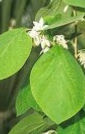
Benzoin (China); $5.70/ 5ml
Color: Thick brown, viscous liquid Common Uses: Benzoin Essential Oil is reputed to have antiseptic, anti-depressant, anti-inflammatory, carminative, deodorant, diuretic and expectorant properties. Benzoin is widely used as a fixative in perfumes. It can also be used for assisting with respiratory ailments, and skin conditions such as acne, eczema and psoriasis. Consistency: Thick and viscous Note: Base Strength of Aroma: Medium

Birch Sweet (U.K.); 5.70/ 5ml
Color: Colorless to pale yellow liquid. Common Uses: Birch Sweet is credited with being an analgesic, anti-inflammatory, anti-pryetic, anti-rheumatic, antiseptic, astringent, depurative, diuretic, and tonic. It is an effective addition to massage oil blends for sore muscles, sprains and painful joints because of its anti-inflammatory and antispasmodic properties. Consistency: Thin Note: Top Strength of Aroma: Strong

Basil (France); $37.50 / 15 mil $8.55 / 5 ml
can be used to clear the sinuses, promote digestion and stimulate circulation, especially in the respiratory system. It is prized in Ayurvedic medicine for its ability to strengthen compassion, faith and bring clarity. Consistency: Thin

Bay Leaf (Morocco); $13.80 / 5 ml
Bay Leaf Essential Oil is said to have antiseptic, anti-biotic, analgesic, anti-neuralgic, aperitif, astringent, emmenagogue, febrifuge, insecticide and sedative properties. Bay can be used in the treatment of rheumatism, muscular pain, circulation problems, colds, flu, dental infections and skin infections.

Bergamot (Italy); $8.55 / 5mil
can be used in the treatment of depression, stress, tension, fear, hysteria, infection (all types including skin), anorexia, psoriasis, eczema and general convalescence. Consistency: Thin Note: Middle Strength of Aroma: Medium

Birch Tar(U.K.); $8.55 / 5mil
is used for external application in the form of ointment (10%) or soap (10%). It can be used in treatments for eczema, psoriasis, and general dry skin. When mixed with other essential oils it is used as an insect repellent. Consistency: Thick and viscous Note: Base Strength of Aroma: Medium

Black Pepper (India); $13.35 / 5ml
Common Uses: Black Pepper Essential Oil can be used in the treatment for pain relief, rheumatism, chills, flu, colds, increase circulation, exhaustion, muscular aches, physical and emotional coldness, nerve tonic, and fevers. The therapeutic properties include the following: analgesic, antiseptic, anti-spasmodic, anti-toxic, aphrodisiac, digestive, diuretic, febrifuge, laxative, rubefacient, tonic (especially of the spleen). Consistency: Thin Note: Middle Strength of Aroma: Medium

Blood Orange(Italy); $6.80/ 5 mil
is considered to have anti-depressant, antiseptic, anti-spasmodic and aphrodisiac properties. The scent is said to be uplifting and stimulating. Consistency: Light Note: Middle Strength of Aroma: Medium

Cade (Spain); $3.95 / 5ml
Color: Clear orange-brown to dark brown oily liquid. Common Uses: Cade Essential Oil is often used as an ingredient of liniments and ointments for chronic skin diseases of the scaly and moist types, as eczema, psoriasis, and prurigo, and in parasitic disorders and various types of ringworm. Properties of Cade Oil include being analgesic, anti-microbial, anti-pruritic, antiseptic, disinfectant, parasiticide and vermifuge. Consistency: Medium Note: Base Strength of Aroma: Medium

Cajeput (Indonesia); $6.15 / 5mil
Cajeput is a small tree with a tolerably erect but crooked trunk; a soft, thick, spongy, whitish, ash-colored bark; and scattered branches, with the slender twigs often drooping as completely as in the weeping willow (Salix Babylonica). The leaves are alternate, most frequently vertical, short-stalked, narrow- lanceolate, while young, sericeous, sometimes slightly falcate, from 3 to 5 inches long, and from 1/2 to 3/4 of an inch broad; and very aromatic when bruised. Uses/Features: Color: Colorless to pale yellow clear liquid. Common Uses: Cajeput Essential Oil has antiseptic and anti-microbial properties and is used chiefly as a local application for skin ailments and as a stimulating expectorant. Other properties include being mildly analgesic, anti-neuralgic, antispasmodic, anthelminthic, diaphoretic, carminative, expectorant, febrifuge, insecticide, sudorific and tonic. Consistency: Thin
Cajeput (Organic US); $16.90 / 5 ml
Cajeput is a small tree with a tolerably erect but crooked trunk; a soft, thick, spongy, whitish, ash-colored bark; and scattered branches, with the slender twigs often drooping as completely as in the weeping willow (Salix Babylonica). The leaves are alternate, most frequently vertical, short-stalked, narrow- lanceolate, while young, sericeous, sometimes slightly falcate, entire, from 3 to 5 inches long, and from 1/2 to 3/4 of an inch broad; and very aromatic when bruised.

Calamus (India); $9.60 / 5 mil
Uses/Features: Calamus Root Oil is a stimulating nervine, antispasmodic, and a general tonic to the mind. As a stimulant for the brain and nervous system, it is used to promote cerebral circulation, to stimulate self-expression, and to help manage a wide range of symptoms in the head, including neuralgia, epilepsy, memory loss and shock. This oil also quite helpful as a herbal medicine for several kinds of treatment such as vertigo, nervous pain, headaches and dysentery. Essential liquid contains asorone that is an oral ingestion and carcinogenic and that causes convulsions, liver & kidney damage.

Camphor (India); $6.15 / 5 mil
Uses/Features: Color: Colorless to pale yellow clear liquid. Common Uses: The therapeutic properties of Camphor Essential Oil include the following: anti-inflammatory, antiseptic, cardiac, carminative, diuretic, febrifuge, insecticide, laxative, stimulant and vulnerary. Camphor oil can be used in the treatment of nervous depression, acne, inflammation, arthritis, muscular aches and pains, sprains, rheumatism, bronchitis, coughs, colds, fever, flu and infectious diseases. It is a well-known preventive of moths and other insects, such as worms in wood. Consistency: Thin
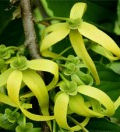
Cananga (Java); $13.35 / 5 ml
The chemical constituents of Canaga Essential Oil were sought for their efficacy in many applications, for their aphrodisiac, anti-depressant, anti-infectious, anti-seborrhoea, antiseptic, sedative and tonic properties. The Cananga, also called Perfume Tree and Ylang-ylang (flower of flowers), is a common tree in Indonesia. Its fragrant flowers are worn for personal adornment, and long used for its sensual and aphrodisiac properties, the fresh flowers are strewn on the beds of newly married couples. It was introduced to the island of Reunion in the western Indian Ocean in the late 18th century, and from there to Nossi-Be and the Comoro Islands about a century ago. Our Cananga Essential Oil is the fourth distillation of the oil from the flowers.

Caraway Seed (US); $7.90 / 5 mil
Uses/Features: The chemical constituents of Caraway Essential Oil include anti-histamine, antiseptic, astringent, digestive, disinfectant, expectorant, and vermifuge as its properties. As an herbal expectorant, it helps to clear bronchitis, bronchial asthma and coughs. It is also helpful with sore throats and laryngitis. Caraway is a very old and well known spice, used as far back as the Stone Age by the evidence in archaeological digs. The Egyptians used it as a flavouring in foods, the Romans in bread-making, and in the Middle Ages it found popularity among the Germans and Austrians in their cooking.
Cardamon (Shri Lanka); $18.70 / 5 ml
Cardamom is particularly helpful for the digestive system. It works as a laxative and soothes colic, wind, dyspepsia and nausea, even nausea caused by pregnancy. It warms the stomach and helps with heartburn. As a massage oil or diluted in the bath, cardamom oil can assist with: digestive system, coughs and be used as a general tonic.

Carrot Seed (Hungary); $13.35 / 5ml
Carrot Seed Essential Oil is considered one of the best oils for mature skin. It is believed to stimulate cell growth while removing toxins giving the skin a more toned, smooth and youthful appearance. It is reputed to be useful in treating scars, wounds and burns and there are those who believe it can be useful to reduce and even prevent wrinkles.Carrot seed oil is helpful for arthritis, gout, edema, rheumatism and the accumulation of toxins in muscles and joints. It strengthens the mucus membranes in the nose, throat and lungs, thus has a beneficial effect on problems such as bronchitis and influenza.
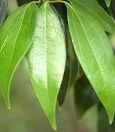
Cassie (China); $6.15 / 5 ml
Uses/Features: Color: Pale yellow to a reddish brown transparent liquid. Common Uses: Cassia Essential Oil can be used as a tonic, carminative and stimulant. It is used to treat nausea, flatulence and diarrhea. Chinese and Japanese scientists have found that cassia has sedative effects and lowers high blood pressure and fever in experimental animals. The oil has antiseptic properties, killing various types of bacteria and fungi. Cassia oil is used mainly as a carminative (for relieving colic and griping) or as a stomach tonic. It can also be used for colds, influenza, fevers, arthritis and rheumatism. Consistency: Medium to viscous
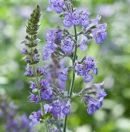
Catnip (India); $14.90 / 5 mil
Uses/Features: Catnip as an herb has long been reputed to have antispasmodic, carminative, stomachic, astringent and sedative properties. Rubbing Catnip Oil on the forehead is an old remedy for easing the pain of a headache. Poultices including catnip have also sometimes used to help with chest congestion, and a cloth soaked with Catnip Oil has traditionally been used to slow and even reverse fever when wrapped around the forehead and cheeks.

Cedarwood Atlas oil Organic; $15.10/ 5 mil
Cedarwood Organic Atlas Oil is used by aromatherapists to assist with acne, arthritis, bronchitis, coughing, cystitis, dandruff, dermatitis, and stress. It is currently used in commercial soaps, cosmetics and perfumes, especially men's colognes. History: Originating in the Atlas Mountains in North Africa, in former times, linen chests were frequently crafted from Cedar to keep moths out. The ancient Egyptians prized this oil, mostly for embalming purposes, but also for cosmetics and perfumery, and Solomon's Temple was built with Cedar Wood. Today, closet liners and accessories are frequently crafted from Cedar Wood.

Ceder Leaf(Canada); $9.20/5ml
Color: Colorless to pale yellow clear liquid. Common Uses: American Indians have used leaf tea for headaches and colds, in cough syrups, and in steam baths for rheumatism, arthritis, congestion, and gout; externally, as a wash for swollen feet and burns. Cedar Leaf Thuja Oil is believed to have anti rheumatic, astringent, diuretic, emmenagogue, expectorant, insect repellent, rubefacient, stimulant (nerves, uterus and heart muscles), tonic and vermifuge properties. Cedar Leaf Thuja is composed of active essences synthesized by the secretor cells of aromatic plants through solar energy. This oil is used in pharmaceutical products because of its therapeutic properties, as well as perfume, toiletries, cosmetics, soaps and detergents, because of its aromatic properties. Consistency: Thin
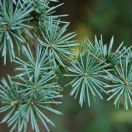
Ceder Wood (Morocco); $6.15 / 5mil
Uses/Features: Color: Golden yellow to orange-brown liquid. Common Uses: Cedarwood Atlas Oil can be used to assist with acne, arthritis, bronchitis, coughing, cystitis, dandruff, dermatitis, stress. It has warming, uplifting, and toning properties. Cedarwood Atlas Essential Oil is considered to be comforting, reviving and an aphrodisiac. Consistency: Thin

Cinnamon (China); $8.00 / 5ml
Color: Brownish yellow to dark yellow liquid. Common Uses: Cinnamon Leaf Essential Oil is believed to have the following properties: stimulant, antiseptic, antibiotic, astringent, carminative, emmenagogue, and anti-spasmodic. It is also considered to have natural insect repellent properties. Consistency: Medium Note: Middle Strength of Aroma: Medium

Cistus (France); $7.70 / 5 mil
Uses/Features: Cistus Essential Oil is considered to have the following properties: anti-microbial, antiseptic, astringent, balsamic, emmenagogue and expectorant. It is said to act as a fixative in perfumes and is widely used in the perfumery industry. It is also considered useful in skincare preparations especially for mature skin and wrinkles. Labdanum can be used to treat colds, coughs, and rheumatism. When combined with Frankincense, it is excellent for meditation. Consistency: Thick Note: Middle Strength of Aroma: Strong

Copaiba ; $64.80 / 15 mil
Distilled from gum resin that is wild harvested from Brazilian copaiba trees, copaiba may be used to soothe minor muscular discomforts.
Diffuse or dilute and apply topically.

Dill Seed (Austria) $7.90 / 5mil
Uses/Features: Color: Colorless to pale yellow clear liquid that darkens over time. Common Uses: Aromatherapists credit Dill Seed Essential Oil with being stimulating, revitalizing, restoring, purifying, balancing and a cleansing agent. Consistency: Thin Note: Middle Strength of Aroma: Medium

Cedarwood ; $17.10 / 15mil
Cedarwood has a warm cedar aroma. It is relaxing and soothing when used for massage. Cedarwood has a long history of use as a beneficial ingredient is cosmetic preparations for oily skin.
Diffuse, directly inhale, or dilute and apply topically.

Celery Seed (Hungary); $9.60 / 5 mil
Uses/Features: The chemical constituents of Celery seed Essential Oil have antioxidant, anti-rheumatic, antiseptic, antispasmodic, depurative, digestive diuretic, carminative, stomachic, cholagogue and hepatic, nervine and sedative (nervous) properties. It has been used in tonic, sedative and carminative preparations and as a fragrance component in soaps, detergents, cosmetics and perfumes.

Cinnamon Leaf (India); $5.70/ 5ml
Color: Brownish yellow to dark yellow liquid. Common Uses: Cinnamon Leaf Essential Oil is believed to have the following properties: stimulant, antiseptic, antibiotic, astringent, carminative, emmenagogue, and anti-spasmodic. It is also considered to have natural insect repellent properties. Consistency: Medium Note: Middle Strength of Aroma: Medium

Clove ; $23.05 / 15 mil
Steam distilled from dried clove buds in Madasgascar, clove is an important ingredient in Young Living's Thieves oil blend. Clove oil has a sweet, spicy fragrance that is stimulating and revitalizing.
Diffuse or dilute and apply topically.

Cypress ; $28.95 / 15 mil
Steam distilled from freshly cut branches of cypress trees in Spain, the fresh, herbaceous aroma of Cypress can promote a sense of security and grounding.
Diffuse, directly inhale or dilute and apply topically.
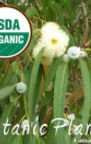
Eucalyptus Lemon Organic; $9.20/ 5ml
Organic Eucalyptus Lemon Essential Oil is fantastic on skin ailments such as burns, blisters, wounds, insect bites, lice, and skin infections. It can also be used combat the effects of colds and the flu. There is also a history of Eucalyptus essential oil being applied to sore muscles and joints.

Eucalyptus Red Organic; 7.45 / 5ml
Organic Eucalyptus Red Essential Oil is fantastic on skin ailments such as burns, blisters, wounds, insect bites, lice, and skin infections. It can also be used to combat the effects of colds and the flu. There is also a history of Eucalyptus Essential Oil being applied to sore muscles and joints.